Products
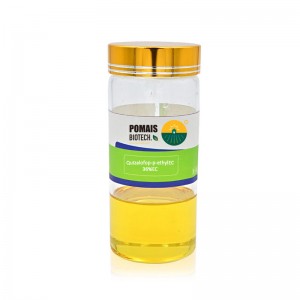
2,4-D 420 g/L + Florasulam 20 g/L SE Herbicide
| Parameter | Specification |
|---|---|
| Active Ingredients | 2,4-D acid (as 2-Ethylhexyl Ester) + Florasulam |
| Concentration | 420 g/L + 20 g/L |
| Formulation | SE |
| Product Type | Herbicide |
| Main Crops | Winter wheat, barley, corn |
| Target Weeds | Annual and perennial broadleaf weeds |
| Application Rate | 0.3–0.4 L/ha |
| Hazard Class | Class III |
| Shelf Life | 3 years |
| Storage Temperature | 0°C to +30°C |
| Package Size | 5 L |
Target Weeds
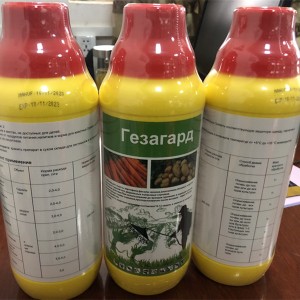
According to the product label, the herbicide is intended for controlling a range of annual and perennial broadleaf weeds.
The listed weed spectrum includes species described on the original label such as bindweed-type weeds, goosefoot-type weeds, volunteer rapeseed, wild radish and other broadleaf weeds.
Actual weed spectrum and application requirements should follow the locally approved product label.
Application in Winter Wheat and Barley
For winter wheat and barley, the listed application rate is:
0.3–0.4 L/ha
Application is indicated from the 3-leaf stage of the crop up to the 2-internode stage, while target weeds are actively growing.
The label specifies one application.
Application in Corn
For corn, the listed application rate is:
0.3–0.4 L/ha
The product is applied during the active growth period of the target broadleaf weeds.
The label specifies one application.
Mode of Action and Visible Weed Response
After application, the herbicide is absorbed through the leaves and other green parts of the weed.
The active substances then affect different parts of the plant, including the root system.
According to the label, weed symptoms may not appear immediately after treatment. Yellowing generally develops during the following one to two weeks, followed by drying and plant death.
Complete weed control may normally occur around 15–20 days after application, while perennial weeds can require a longer period.
Cool weather, drought, heavy rainfall or other stress conditions may slow herbicidal activity and delay visible symptoms.
Application Conditions
Best performance is expected when target weeds are actively growing.
Unfavorable environmental conditions can reduce the speed of weed response. Applications under drought, cool weather or other crop and weed stress conditions may result in slower symptom development.
Compatibility
The source label states that the product may be selective for many crops, but a compatibility test is recommended before mixing with other products.
Tank-mix compatibility should be confirmed before large-scale application.
Storage
Store the product:
- In its original container
- In a dry and well-ventilated place
- At temperatures between 0°C and +30°C
- Away from direct sunlight and moisture
- Separately from food, beverages and animal feed
- Out of reach of children
Safety Precautions
Use appropriate personal protective equipment when handling the product, including gloves, protective clothing, safety glasses and a suitable mask.
Do not eat, drink or smoke while handling the herbicide.
After use, wash hands and face thoroughly with soap and water.
Do not contaminate water bodies or the surrounding environment with the product.
Frequently Asked Questions
What crops is 2,4-D 420 g/L + Florasulam 20 g/L SE used on?
The source label lists winter wheat, barley and corn.
What weeds does this herbicide control?
It is used mainly against annual and perennial broadleaf weeds.
What is the recommended application rate?
The listed rate is 0.3–0.4 L/ha for winter wheat, barley and corn.
How quickly do weeds show symptoms?
Yellowing may begin within one to two weeks after application. Complete weed death may occur around 15–20 days after treatment, although perennial weeds and stressed weeds may require more time.
How should the product be stored?
Store it in the original container in a dry, ventilated area between 0°C and +30°C, protected from sunlight and moisture.